
Commercial and Industrial Site Selection Strategies
By: Mike Lorelli – Senior Vice President – Commercial Asset Management, High Associates Ltd.
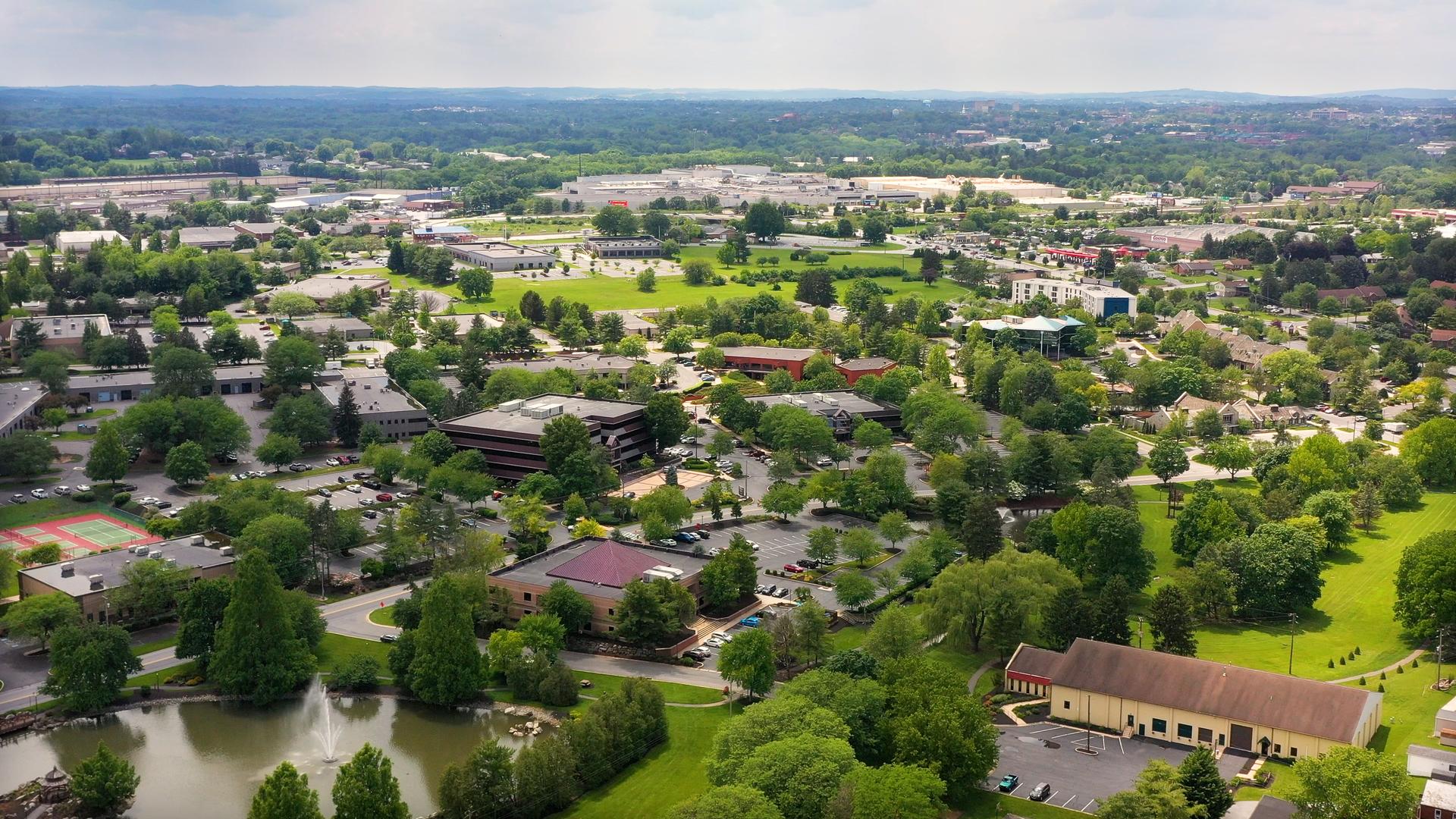
You have probably heard the old saying when determining real estate value and suitability: location, location, location. While this principle applies across all asset types, the criteria that define a prime location vary significantly depending on the property category.
For residential real estate, factors such as school districts, proximity to services and amenities, and access to work, family, or social networks heavily influence value and desirability. In contrast, commercial and industrial properties are driven by a different set of location-based considerations.
Commercial real estate site selection requires a careful assessment of regulatory requirements, physical site conditions, infrastructure, access, workforce needs, and long-term operational goals. The strongest sites are not simply well located - they are feasible, efficient, and aligned with the specific requirements of the business they are intended to serve.
Evaluating Commercial Real Estate Locations
What makes a site desirable comes down to both human-made and natural factors. Key considerations include zoning regulations, subdivision and land development ordinance requirements, access to transportation infrastructure, and the presence of historical elements. Physical attributes such as lot dimensions and utility availability also play a significant role.
On the natural side, features such as topography, wetlands, streams, protected habitats, soil quality - including rock formations - and stormwater infiltration capacity can all influence a site’s value, feasibility, and long-term potential.
How Zoning Affects Commercial Development
Zoning, subdivision, and land development ordinances (SALDO) are laws established by local municipalities or counties that dictate what uses are permitted and how land can be developed.
Zoning defines the types of uses permitted within specific districts, including those allowed by right and those subject to conditional approval. SALDO regulations further shape how land can be utilized by outlining requirements for building and lot coverage, setbacks, parking, landscaping, lighting, height restrictions, environmental protections, and stormwater management.
Understanding how zoning affects commercial development is essential before committing to a site. Zoning and SALDO requirements can influence the type of business activity permitted, the size and placement of a building, required parking, site improvements, and the overall development timeline.
These design specifications can vary greatly from municipality to municipality, impacting land value.
Industrial Property Site Criteria and Development Constraints
Not all land is suitable for commercial or industrial development, especially when large-footprint structures are involved. Topography plays a critical role; uneven terrain may require extensive grading or retaining walls, which can significantly increase costs.
Commercial development typically has smaller footprints and can adapt more easily to sites with topographical issues.
Additionally, physical site constraints such as streams, floodplains, wetlands, and other environmental features can limit full utilization. Lot size, total acreage, width, and depth, along with SALDO regulations, will also determine the initial building size and expansion capabilities.
Utility Infrastructure for Industrial Real Estate
Utility access is another key factor; adequate proximity and capacity for electricity, gas, water, and sewer are essential. With the rise of automation, reliable power and internet connectivity have become even more critical for industrial users.
Utility infrastructure for industrial real estate can directly affect a facility’s operational readiness, growth capacity, and development schedule. A site may have access to utilities in the general area, but users must also evaluate whether sufficient capacity is available to support current operations and future needs.
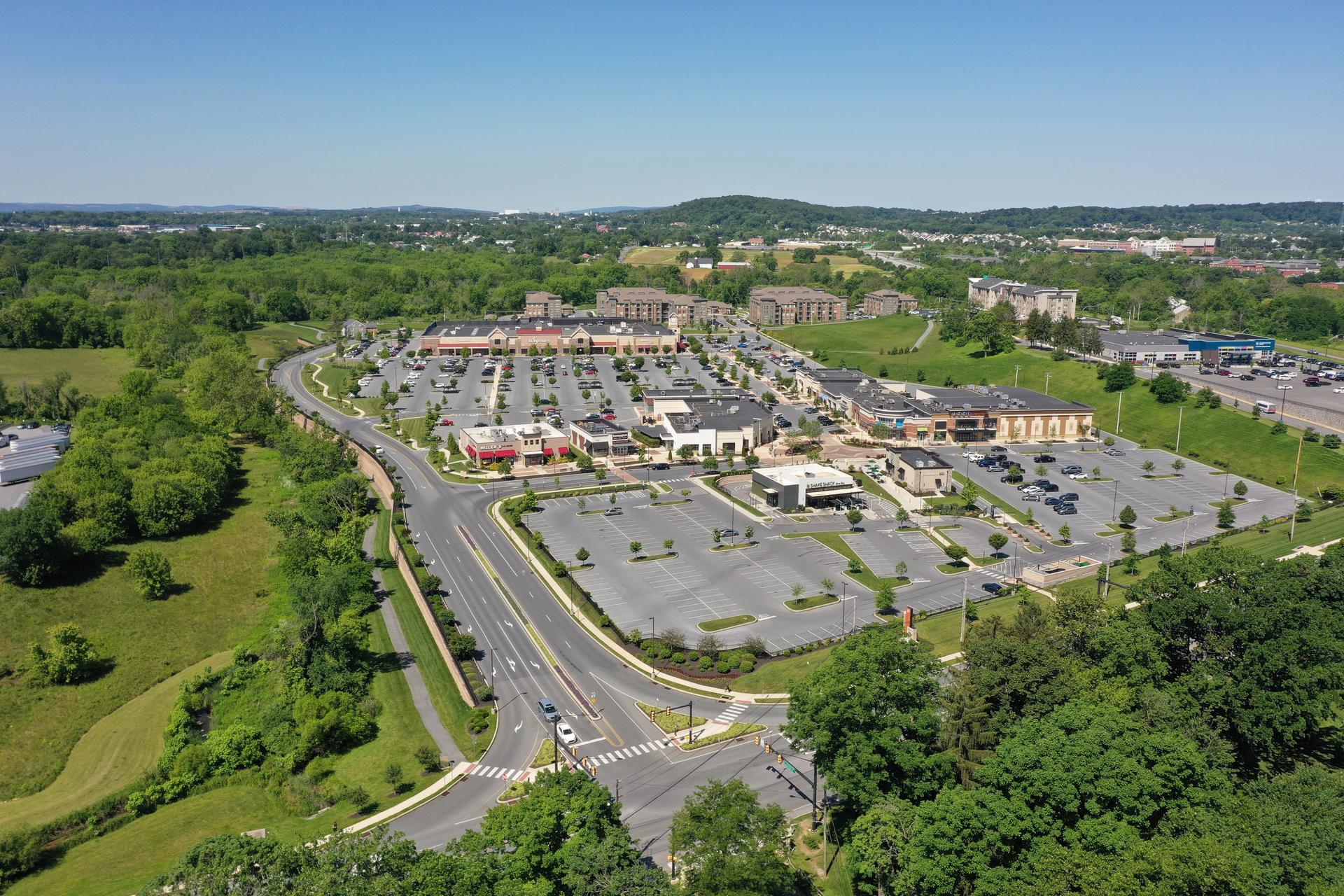
The Logistics of Industrial Site Selection
Beyond physical and regulatory constraints, site desirability is also shaped by the specific needs of the end user. One of the most important factors that industrial users weigh when evaluating a site is proximity to an interstate highway system.
The ability to reduce transit time equates to real dollars in fuel and labor expense. Road conditions and traffic patterns also impact cost. Access to suppliers and customers is another critical factor; shorter distances can improve material lead times and accelerate speed to market.
The logistics of industrial site selection extend beyond distance to a highway interchange. Organizations should consider the quality of road access, travel times, congestion patterns, proximity to customers and suppliers, freight routes, and the ability to support reliable inbound and outbound movement.
For commercial users, being close to their workforce, housing, restaurants, and essential services enhances convenience and can significantly boost employee satisfaction and retention.
Labor Availability and Community Considerations
In recent years, community attributes have become increasingly influential in site-selection decisions. Factors such as labor availability, wage levels, labor laws, and union activity all affect a site’s appeal, particularly for industrial users.
Labor availability in site selection is a critical consideration because a facility’s long-term success depends on its ability to attract and retain a qualified workforce. Access to nearby housing, reasonable commute times, local amenities, and community livability can all influence a company’s ability to build and sustain its team.
The affordability and quality of nearby housing, access to amenities, and overall livability for the workforce are also key considerations. Additionally, crime rates, emergency services, and quality of healthcare can impact site selection.
Developers must also assess community support for a proposed project, the availability of local or state incentives, and how construction costs compare to alternative sites.
Selecting a Site for Long-Term Success
Evaluating these elements ensures that the selected site aligns with both operational needs and long-term success.
Successful commercial and industrial site selection is a balance of immediate feasibility and future opportunity. The right location should support the project’s current needs while allowing for changing business requirements, expansion, infrastructure demands, and workforce needs over time.
Ultimately, the most successful developments are those that balance physical feasibility with strategic location, community alignment, and future growth potential.
Learn more about High Associates’ commercial real estate and asset-management capabilities.
FAQs About Commercial and Industrial Site Selection
1. What is commercial real estate site selection?
Commercial real estate site selection is the process of evaluating potential locations for a commercial property, facility, or business operation. It considers factors such as zoning, accessibility, utilities, site dimensions, development feasibility, labor access, community attributes, and long-term business needs.
2. What are the most important industrial property site criteria?
Key industrial property site criteria include highway and freight access, building and lot dimensions, truck circulation, loading capacity, utility availability, power capacity, internet connectivity, zoning, workforce availability, and future expansion potential.
3. How does zoning affect commercial development?
Zoning affects commercial development by determining which land uses are permitted in a specific area. It can also influence building placement, height, parking, setbacks, landscaping, lighting, environmental protections, and other site-design requirements. Some uses may be permitted by right, while others require conditional approval.
4. What are common commercial land development constraints?
Common constraints include topography, wetlands, streams, floodplains, protected habitats, poor soil conditions, rock formations, stormwater-management requirements, inadequate utilities, and local zoning or SALDO requirements. These conditions can affect the buildable area, project design, timeline, and construction costs.
5. Why is utility infrastructure important for industrial real estate?
Utility infrastructure for industrial real estate is essential because industrial facilities may require significant electrical, gas, water, sewer, and connectivity capacity. Reliable access to these services supports operations, automation, technology systems, and future expansion.
6. Why is highway access important in industrial site selection?
Proximity to interstate highways and reliable freight routes can reduce travel time, fuel costs, labor costs, and delivery delays. It also helps improve access to suppliers, customers, and regional distribution networks.
7. How does labor availability influence site selection?
Labor availability influences site selection because companies need access to a qualified, dependable workforce. Wage levels, housing affordability, commute times, local amenities, labor laws, union activity, and community livability can all affect an employer’s ability to recruit and retain employees.