
AI Series: AI and Predictive Analytics in Commercial Real Estate
By: Scott Hess – Vice President of Information Services, High Company LLC, and Mike Lorelli – Senior Vice President – Commercial Asset Management, High Associates Ltd.

Artificial intelligence (AI) is revolutionizing industries across the board, and commercial real estate is no exception. Real estate companies are harnessing AI to enhance their digital presence, improve customer engagement, and make data-driven decisions.
According to a January 2025 study by The Business Research Company, “AI in the real estate market will grow from $222 billion in 2024 to $303 billion in 2025.”
AI in commercial real estate is expanding beyond experimentation. Property owners, asset managers, and operators are using AI-enabled tools to improve building performance, evaluate information more efficiently, anticipate operational needs, and create more responsive experiences for tenants and prospective customers.
AI, Building Automation, and the Internet of Things
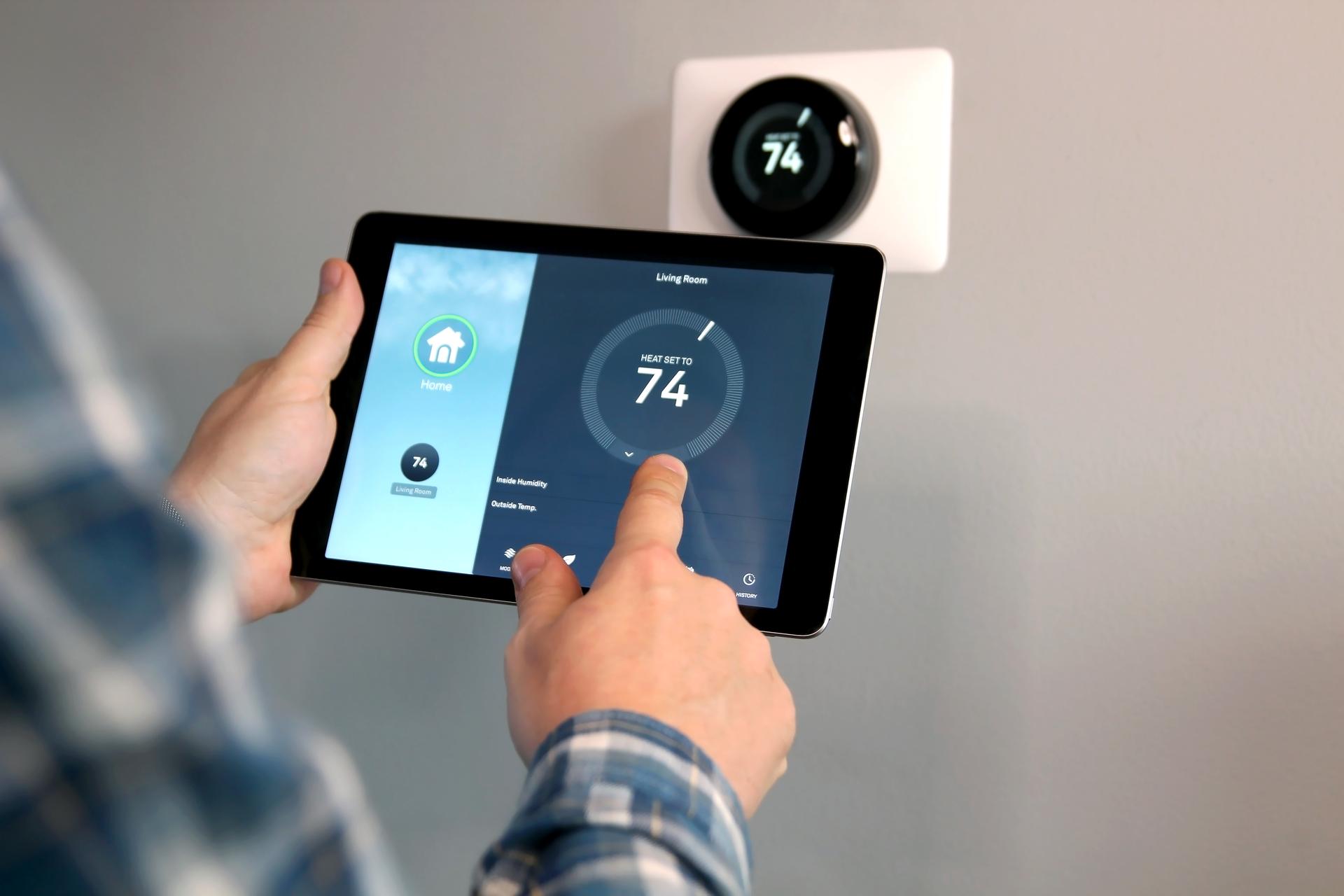
The first introduction of AI in commercial real estate centered around building automation. Automation of lighting, heating, and cooling allowed property owners to reduce operating expenses and drive an enhanced occupant experience by using trend analysis and forecasting future utilization.
It quickly moved into what has been termed the Internet of Things (IoT). Using equipment performance data, AI was used for real-time monitoring and predictive maintenance to anticipate equipment failure before it occurred.
Predictive Analytics for Real Estate Decisions
AI has now evolved as a tool to help underwrite property valuations, assist in acquisition due diligence, and quickly evaluate large quantities of data to more effectively operate real estate.
The use of internal and external data to understand and respond to trends, as well as predict future trends, is a significant focus for many initiatives under the AI umbrella. For example, external data from trusted sources, such as historic weather data, combined with company-specific data, such as energy costs, can help predict future energy costs of prospective acquisitions in a given market.
Another example is predicting future revenue trends based on internal occupancy rates, local market sentiment analysis, and economic data.
Predictive analytics for real estate investing can help decision-makers evaluate possible outcomes using broader sets of relevant information. When used thoughtfully, these tools can support acquisition due diligence, portfolio planning, expense forecasting, leasing strategy, and asset-management decisions.
Using AI for property valuations can also help teams analyze market information, property characteristics, operating history, and comparable data more efficiently. However, AI-generated insights should support - not replace - the professional judgment, market knowledge, and due diligence required for investment and valuation decisions.
Clean Data Is the Foundation for Useful AI
It is worth reiterating that clean data is a key driver to gaining value from predictive analytic solutions. Therefore, it is essential to understand the quality of data in your existing systems.
For example, are abbreviations consistently used for addresses, such as “St.” versus “Street”? Are key definitions consistently calculated across the portfolio, such as usable square footage? Are there regular checks on key data manually entered to ensure it is complete?
AI is only as useful as the data it can access. Inconsistent naming conventions, incomplete records, duplicate information, and differing portfolio definitions can reduce the reliability of AI-supported analysis.
Before implementing advanced analytics, real estate organizations should establish clear data standards, identify system owners, validate critical information, and create processes for maintaining data quality over time. Clean, consistent data creates a stronger foundation for predictive analytics, reporting, and operational decision-making.
AI Agents in Real Estate
The January 2025 Workforce Report from McKinsey states that “nearly all employees (94 percent) and C-suite leaders (99 percent) report having some level of familiarity with generative AI tools.”
This familiarity and initial experience typically come from general-use tools like ChatGPT or Microsoft Copilot. Moving beyond general-use AI is the development of AI agents, which are autonomous tools built for specific goals. They can plan, reason, and act, and may have a specific task to execute or can be linked together to accomplish several tasks.
AI agents are an advancement over robotic process automation (RPA), which automates repetitive tasks but often fails when encountering something different or new.
For example, Harvey is a software platform with AI agents used by legal firms to draft legal memos or summarize cases. These are tasks or workflows that were often performed by a paralegal or researcher.
Automating Tenant Communications With AI
Additional examples of AI agents include platforms such as EliseAI, which offer conversational interfaces that allow tenants to interact using natural language to schedule property tours or get answers to lease-related questions.
Automating tenant communications with AI can help property teams respond more consistently to common questions, provide timely reminders, coordinate tours, and direct tenants or prospects to the right information. This can improve responsiveness while allowing property-management professionals to focus on higher-value conversations and complex tenant needs.
Other applications include automated rent collection through timely reminders, streamlined payment processing, and simplified lease renewals. These are just a few examples of how AI is becoming more targeted to the commercial property management industry.
The Future of Commercial Real Estate
In conclusion, the integration of AI in commercial real estate is transforming the industry by providing innovative solutions that enhance decision-making, streamline operations, and improve customer experiences.
As the market for AI in real estate continues to grow, companies that embrace these technologies will be better positioned to thrive in an increasingly competitive landscape. By focusing on clean data, leveraging predictive analytics, and utilizing AI agents, real estate professionals can unlock new opportunities and drive sustainable growth for their businesses.
The organizations best positioned to benefit from AI will be those that connect technology initiatives to strategic priorities, maintain strong data governance, and keep experienced real estate professionals at the center of decision-making.
Learn more about High Associates’ commercial real estate, asset-management, and property-management capabilities.
FAQs About AI in Commercial Real Estate
1. How is AI used in commercial real estate?
AI in commercial real estate can support building operations, property management, acquisition due diligence, lease administration, tenant communications, financial analysis, and portfolio planning. It helps teams organize and evaluate data more efficiently so they can make more informed decisions.
2. What is artificial intelligence property management?
Artificial intelligence property management involves using AI-enabled tools to support property operations and tenant service. Applications may include building automation, predictive maintenance, tenant communications, lease-related questions, payment reminders, maintenance workflows, and operational reporting.
3. What is predictive analytics in real estate investing?
Predictive analytics in real estate investing uses internal and external data to identify trends and estimate potential future outcomes. It can support analysis of energy costs, occupancy performance, revenue trends, local market conditions, and prospective acquisition opportunities.
4. How does the Internet of Things (IoT) support building management?
Real estate IoT building management uses connected devices, equipment data, and sensors to monitor building performance. This information can help teams understand heating, cooling, lighting, equipment utilization, and other operating conditions in real time.
5. What is predictive maintenance in commercial buildings?
Predictive maintenance in commercial buildings uses equipment-performance data to identify potential maintenance needs before a system fails. This can help property teams prioritize repairs, reduce unexpected downtime, improve occupant comfort, and better manage maintenance resources.
6. Can AI be used for property valuations?
Using AI for property valuations can help teams analyze large volumes of property, market, operational, and comparable data. AI-supported analysis should complement professional judgment, market expertise, established valuation methods, and thorough due diligence.
7. What are AI agents in real estate?
AI agents in real estate are tools designed to complete or support specific workflows. Depending on the use case, they may help answer tenant questions, schedule property tours, summarize information, support lease processes, manage routine communications, or retrieve relevant property data.
8. How can AI improve tenant communications?
AI can improve tenant communications by providing timely responses to routine questions, helping schedule tours, sending reminders, directing inquiries to the appropriate team member, and supporting lease-renewal or payment workflows. Human oversight remains important for complex, sensitive, or exception-based matters.